
June is here, and with it the rainy season. Let the annual battle with humidity begin.
So this month, I had a major eye-opening experience. It all started with a certain Japanese snack bread.

Lunch Pack has released a new Calpis-flavored whipped cream filling. I picked it up on a whim, but whoa! It's out-of-this-world delicious. (There's also a white peach version which is so good, it's dangerous. No words for it.)
Until now, Mini Snack Gold has been the undisputed champion of my Japanese snack bread world.
But this month, it's been dethroned. The history of snack bread as I know it has been rewritten.
It's funny how something new can come along at any time and completely overturn what you've always taken for granted to be the best. That's what ran through my head as I stood in front of the full-loaded snack bread shelf.
And on that note, this month I found myself somewhere else where something long taken for granted is quietly changing.
Computex 2026 in Taipei, Taiwan.

Computex is traditionally a hardcore industry trade show of PC hardware, servers, and new tech solutions. Very much B2B.
I've been attending Computex, and CES at the start of the year, partly for professional reasons but also to feed my inner gadget obsessive. (Plus, not gonna lie, I do get a kick of casually dropping a "Oh that? Yeah, I saw it in person." Don't judge me, ok.)
But over the last couple of years, something has clearly changed.
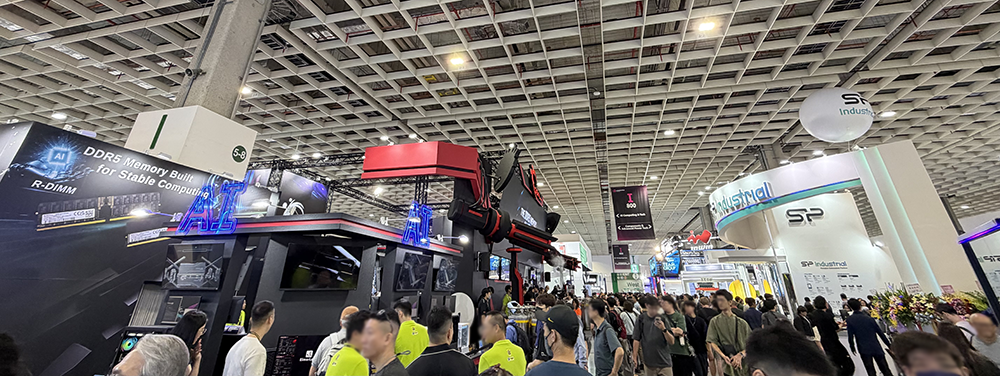
This year's theme at Computex was "AI Together." And for the first time, a dedicated AI Robotics Zone was added to the show floor.
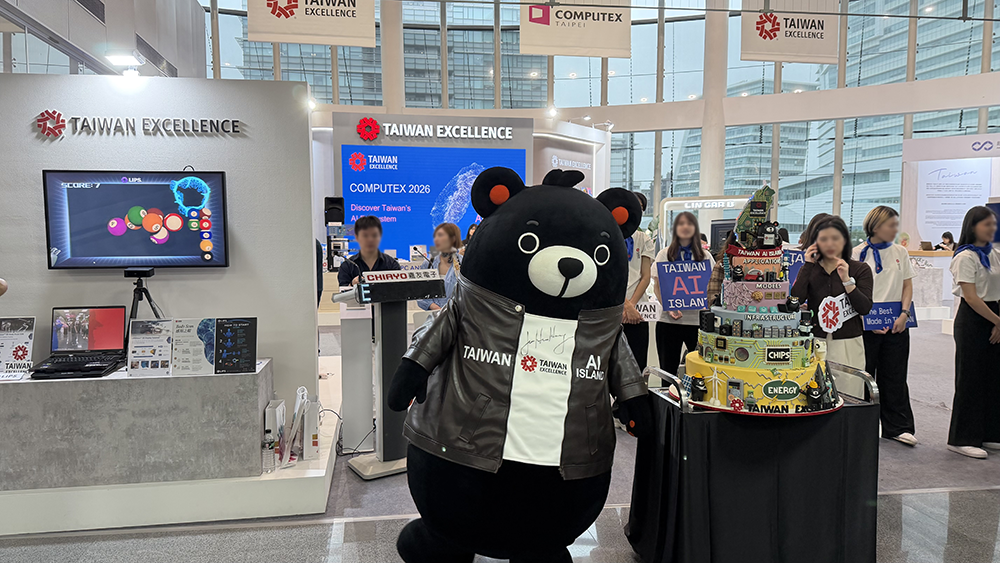
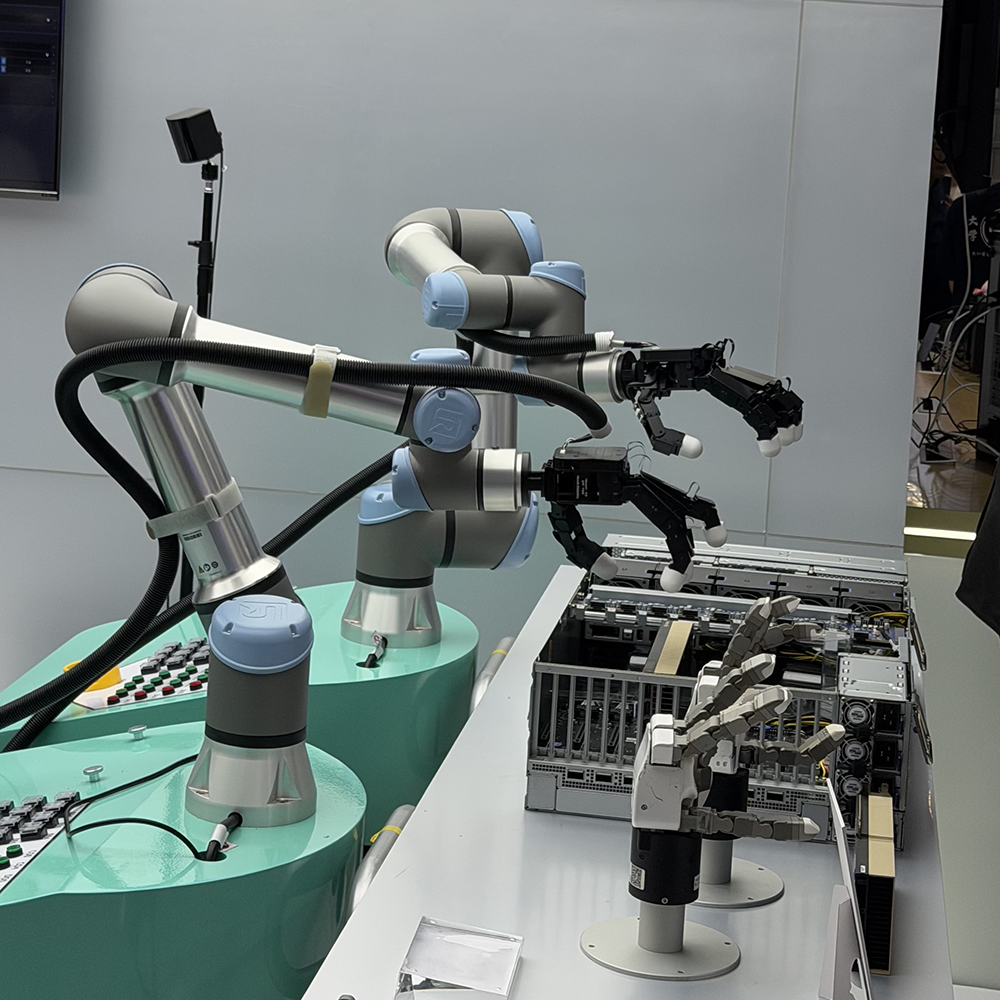
Keynote speaker Jensen Huang of NVIDIA declared the coming of the Physical AI era. Humanoids, industrial robots, robotic arms with vision cameras inspecting circuit boards. Taiwanese manufacturers lining up to show off robot joints, robotic hands, the physical building blocks of a new kind of machine.
The wave that was just visible at CES earlier this year had arrived at Computex in much more concrete form.
Just like the Japanese snack bread world saw its champion dethroned, the technology world is quietly but unmistakably rewriting its own defaults. That's what I felt standing on that show floor.
And it's something we in the games industry can't ignore.
When it comes to using AI for expression, things like visuals, sound, and other creative elements, there are still a lot of questions to work through. Rights, ethics, culture. This is territory that deserves care and patience, and we're approaching it that way.
But in areas like bug detection, playtesting, and quality checks, work that has always relied on human hours, and often work that never got finished simply because there weren't enough of them, the change is already well underway.
It goes beyond checking code. We're talking about whether a game behaves the way we intended it to. Whether what we're trying to communicate to a player is actually landing as an experience. AI can now help us look at things from that angle too.
Idea generation, iteration, review cycles. These are all areas where I'm starting to feel real potential for a different way of working.
That said, there's one question I keep coming back to: Is any of this truly original? Are we actually creating something new, or does it just feel that way?
When the cycle speeds up, it's easy to feel like you're creating when you're really just producing. To feel like you've thought something through when you haven't. To miss something important along the way.
That's something I want to stay alert to, even as the tools keep improving. Though knowing how fast things are moving, by next month there'll probably be an AI solution for that too!
One more thing from Taipei, and this one meant a lot to me personally. The Fate/Grand Order Traditional Chinese version anniversary event.
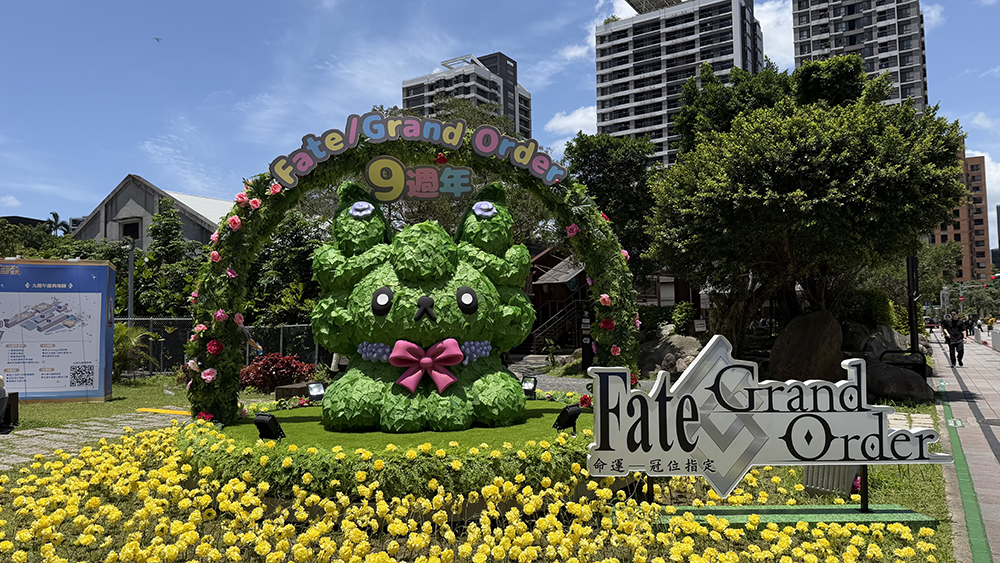

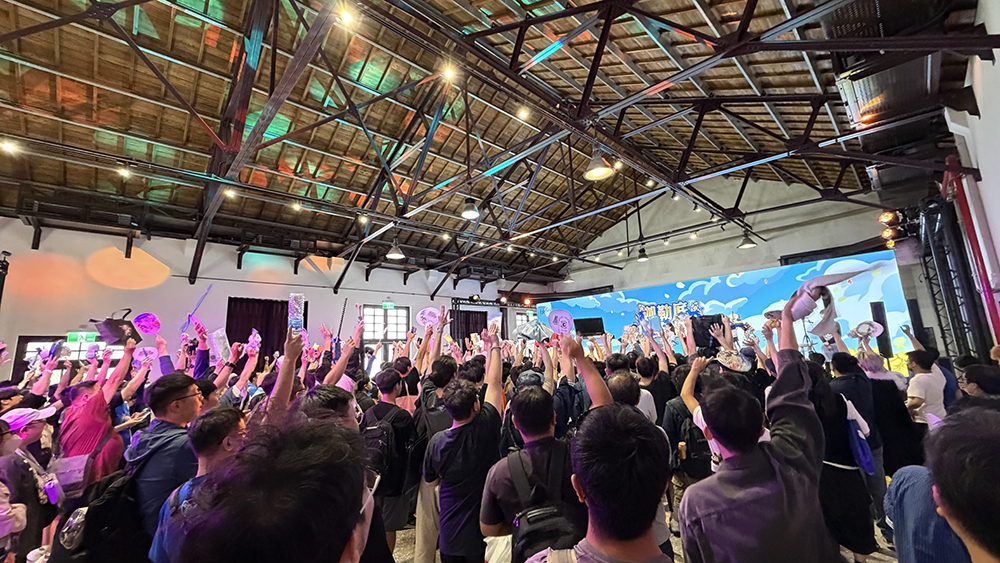
The venue was a former factory. A place that once made bottle caps, now reimagined as a space for culture and events. Old industrial bones, new life inside.
Masters from across Taiwan came together, and we got to celebrate another year of FGO side by side.
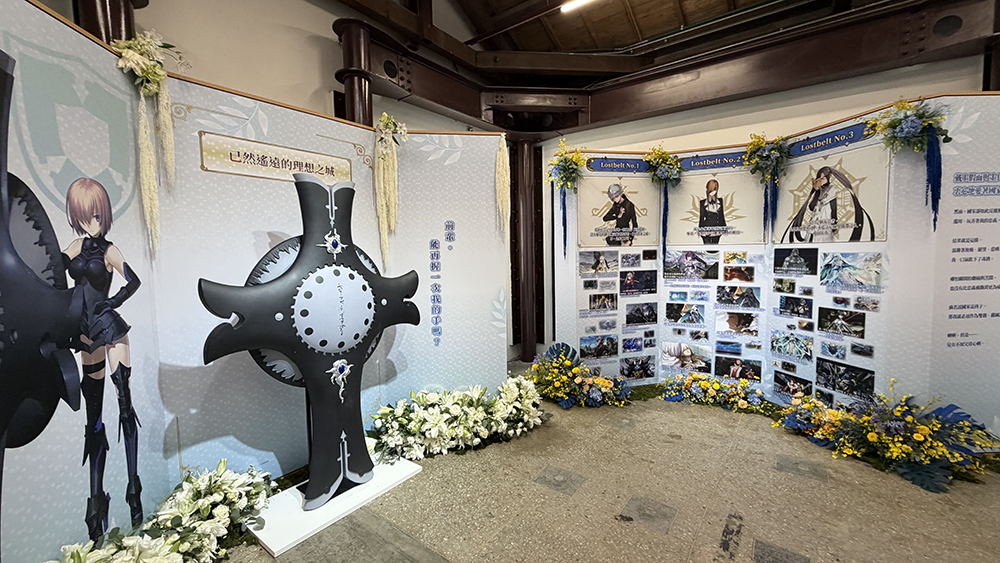
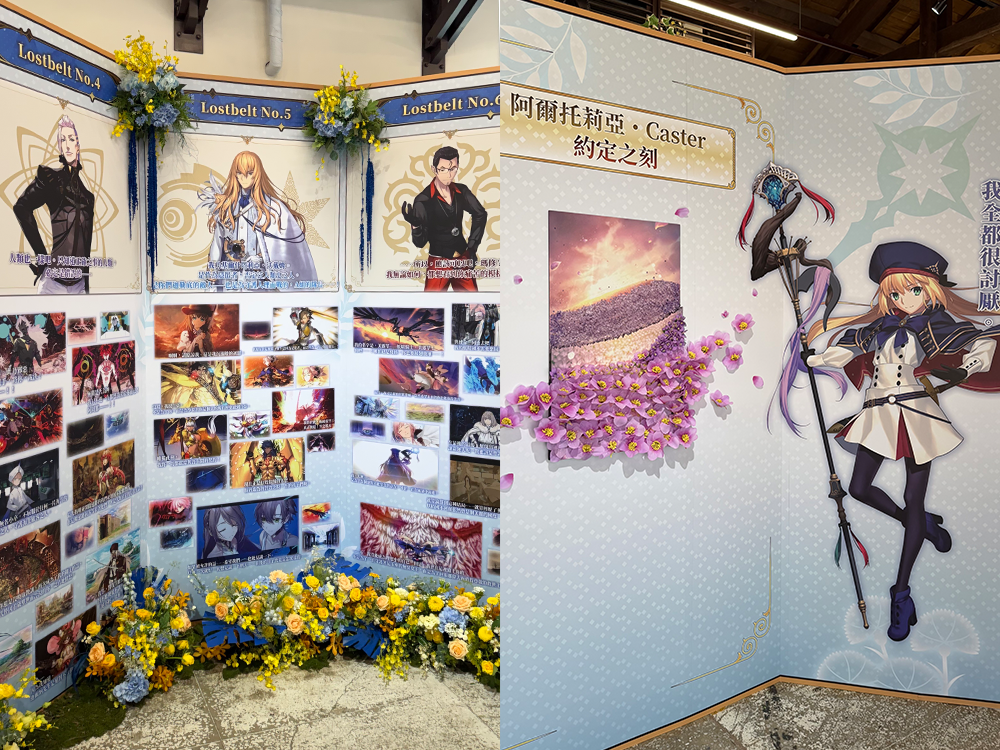
Different countries, different languages, brought together by the same world with the same Servants, and being moved by the same stories. Standing in that room, surrounded by that energy, that really came through.
And when I think about it, that factory is its own kind of rewrite.
A place that once churned out bottle caps by the thousands is now where players from around the world gather to mark another year of a digital story.
You don't have to throw away everything that came before. Everything built up over the years is an asset.
My old favorite, Mini Snack Gold, is still delicious. But if I'd only ever eaten that, I'd never have had the moment of discovery that came from trying something new.
Keeping the character of the old factory while opening it up to new experiences. That's the attitude we all need as creators, whether we're using AI or not.
The pace of change is faster now than at any point I can remember, and this month brought that home more clearly than ever.
We need to read the current without getting swept away. We need to be surfers riding the cusp of the waves, controlling the direction we want to go in. That's the kind of creator I want to be, and I want Lasengle to be a place where that kind of creator feels at home.
Computex sessions replaying in my mind, the smiles of the Taiwan Masters in my heart, and a bowl of soup dumplings in between, that was my June in Taipei.
And on that note, fresh from experiencing the world of AI and robotics in Taipei, here's this month's Takes from the Lasengle Team.
This isn't me slacking off (honest!), I'm just using this great space to share perspectives from our team.
◆Takes from the Lasengle Team
ARC Raiders
By S, Engineer (joined as a new graduate, April 2025)
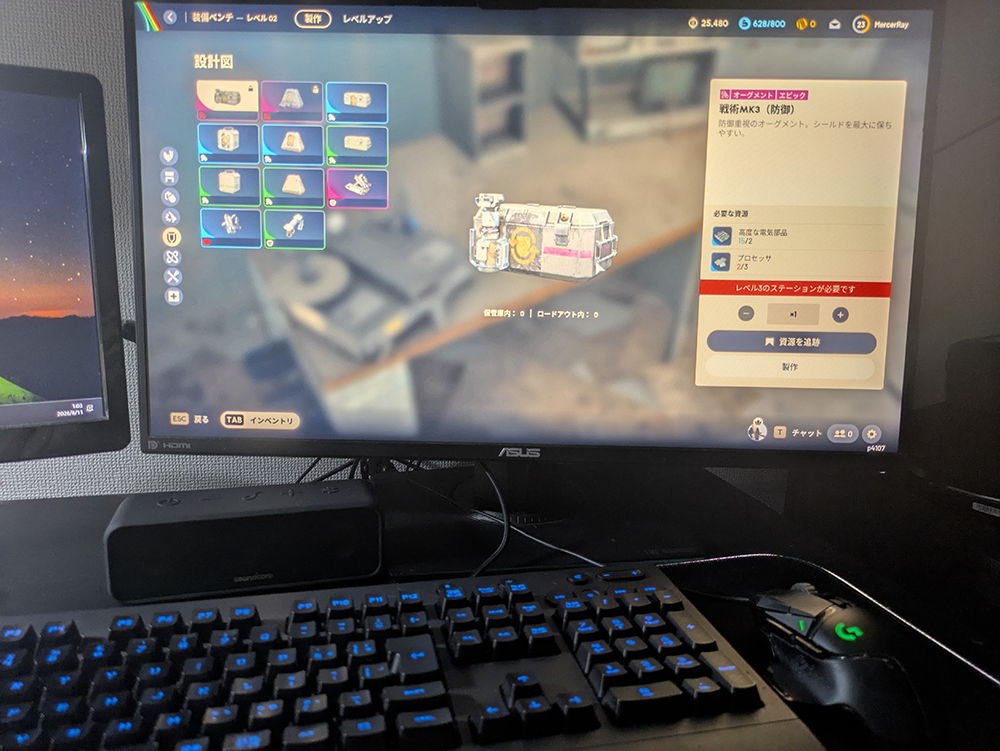
◆ The GDC 2026 Session that Sent Me Topside
ARC Raiders has been making waves lately, and for good reason.
In a world where humanity has been defeated by machines and driven underground, you must venture to the dangerous Topside in search of limited resources.
The premise alone had me interested, but a session I caught at GDC 2026 was what finally pushed me to buy it. The talk covered how reinforcement learning is being used in the game's robot AI, and as soon as I heard that, I had to see it for myself.
I snapped it up as soon as I could and haven't looked back.
◆ TPS x PvPvE x Extraction = The Ultimate Battle of Nerves
ARC Raiders is a third-person PvPvE (Player versus Player versus Environment) extraction shooter.
You can go in guns blazing against rival players. Or play it carefully, form an uneasy alliance with a stranger, and take on a powerful robot together.
How you play is entirely up to you, and that freedom is a huge part of the appeal. But what really elevates the whole thing is that it's an extraction shooter.
It doesn't matter how many enemies you've taken down or how good your loot is, if you don't make it back alive, you lose everything. Every moment you're out there, you're weighing up your resources against the risk.
Do I head back now? Or push a little further? But if I go down here, I lose it all...That push and pull makes the game completely addictive.
◆ From Despair to Euphoria and Back Again
You start each raid with almost nothing. Barely any gear, scraping together supplies from scratch.
As your kit slowly improves, the temptation grows. Maybe I'll take on a tougher enemy. Maybe I'll push deeper. Maybe I'll go after another player.
But lose, and it's all gone. Back to square one.
That loop of despair and euphoria is truly addictive. The 30-minute match limit is perfectly judged too, long enough to get invested, short enough to always feel like one more go is possible.
Find great loot early? Extract after five minutes and bank it. Want to push your luck? Stay in until the end.
Safe and steady, or high risk, high reward. The tension between those two choices never gets old.
◆ Physics Simulation Meets Reinforcement Learning for Real-Feel Robots
This is the part that really won me over, and the reason I bought the game in the first place.
Games like Horizon and Monster Hunter use pre-built animations and inverse kinematics to control how characters and enemies move. That's already impressively sophisticated.
But ARC Raiders uses real-time physics simulation. The way a robot reacts depends on exactly where you hit it and what's happening in that moment, and it's different every single time.
It's so good.
Playing with colleagues, we kept stopping mid-session: "Did you see how that one launched into the air?!" "Watch out -- something's coming right at us!", "The movement just feels so... real."
And those four-legged spider robots! When one suddenly launches an attack at you, you won't know what hit you. The shock and panic are real, something you'll never forget.
It's this unpredictability that keeps the game endlessly playable.
◆ Verdict: Outstanding as a Game, Invaluable as a Tech Demo
ARC Raiders is a genuinely great shooter. But it's also one of the most sophisticated demonstrations of physics simulation and reinforcement learning in any game on the market right now. I don't think there's another title doing this at this level, and playing it fired up my interest in reinforcement learning.
If you love:
・planning your moves carefully and playing smart
・the tension of managing resources under pressure
・fighting an enemy robot that can actually think
then Topside is waiting. But watch out, it'll show you no mercy.
Hope you enjoyed that look at games through a Lasengle lens.
A couple of updates on the hiring front.
On Saturday, 27th June, 2026, we're holding an open day for students looking to join us in FY28. Applications have already closed, but we're really looking forward to meeting everyone who applied.
For anyone hoping to join our team in FY27, the final application deadline is Tuesday 30th June, 2026. If you're interested in getting into game development and operations at Lasengle, make sure to mark it in your calendar.
We've more opportunities to learn about Lasengle coming up, so please keep an eye on our recruitment site and social channels for updates.
See you next time in "From the CEO's Desk"!
Yoshinori X(Twitter)